One thing I learned about creating movement: first create space
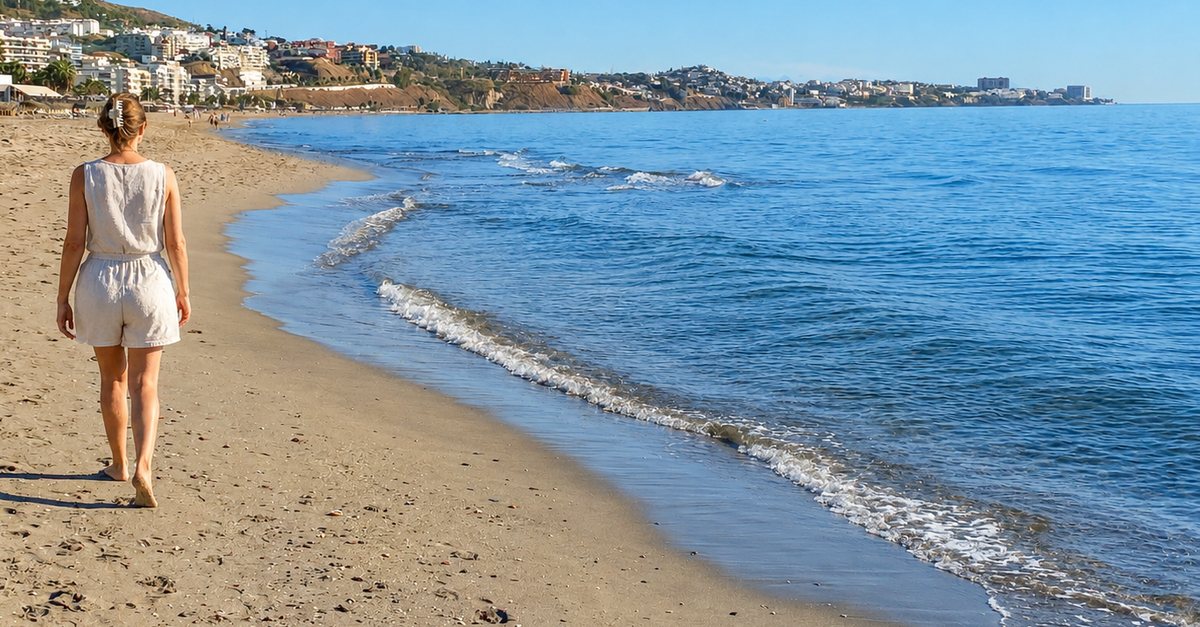
When I don’t quite know what to do next, I walk.
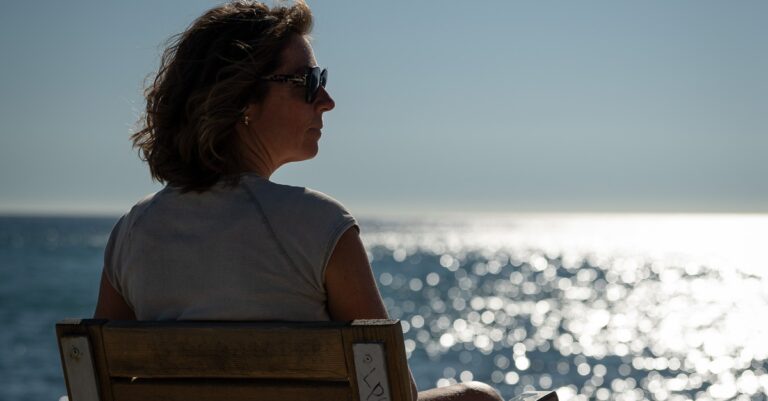
Since moving to Málaga, that often means walking along the coast. There is something about following the shoreline that helps me think. I don’t go out with a carefully formulated question or a notebook full of things I need to solve. I simply walk.
And usually, somewhere along the way, things become clearer.
Perhaps it is the openness of the sea. Perhaps it is the rhythm of walking. Or perhaps it is simply that, for a while, nobody is asking anything of me. It creates space. Space between the thoughts that have been going around in circles. Space to look at a problem from another angle. Space to realise that there may be more possibilities than the two or three I had been considering.
And the coastline itself is a good reminder that nothing ever really stays the same. Someone once told me that you can never step into the same river twice. The water has moved on. And, of course, so have you. I have always liked that thought.
We often try to solve movement by adding more movement
I have seen this many times in organisations. A team gets stuck, so another meeting is scheduled. Performance is disappointing, so more targets are introduced. A transformation isn’t moving fast enough, so another workstream, governance layer or action plan is added.
And individuals do exactly the same thing. When we don’t know what to do next, we often start doing more. We work harder. Think harder. Make longer lists. Ask more people for advice. Sometimes that works. But sometimes the thing we need most is not another action. It is space.
Leaders create space too
One of the most important things a leader can do is create an environment in which people have enough room to think. That doesn’t mean avoiding decisions or slowing everything down. Quite the opposite.
Good leaders know when to drive for action, but they also know when constantly filling the space becomes counterproductive. A team needs room to question assumptions. To say that something isn’t working. To explore an idea before immediately being asked for a business case. To disagree. To think. And sometimes to admit: we don’t know yet. That space is often where movement starts.
The same applies to our own lives
Careers and lives rarely develop in neat, predictable lines. The role that fitted you five years ago may not fit you today. The way your team worked successfully in the past may no longer be what the organisation needs now. The priorities you once had may have changed without you consciously noticing. You are not standing in the same river. And that means that occasionally it is worth creating enough distance to ask:
What fits now?
Not what was right before. Not what other people expect. Not simply what comes next on the familiar path. What fits now?
For me, walking along the coast helps me find that space. For you, it may be somewhere completely different. But I increasingly believe that when people, teams or organisations feel stuck, the answer isn’t always to push harder. Sometimes the first step towards movement is simply making enough space to see where you could go.